Big feelings in little bodies can be confusing — for kids and adults.
If your child seems withdrawn, angry, or anxious, it might not mean something is “wrong.” It might just mean they don’t have the words yet.
Helping children talk about what they’re feeling starts with one powerful tool: presence.
Here are three simple ways to start:
-
Name feelings out loud. Try “You seem a bit worried — is that right?” (It gives them vocabulary and permission.)
-
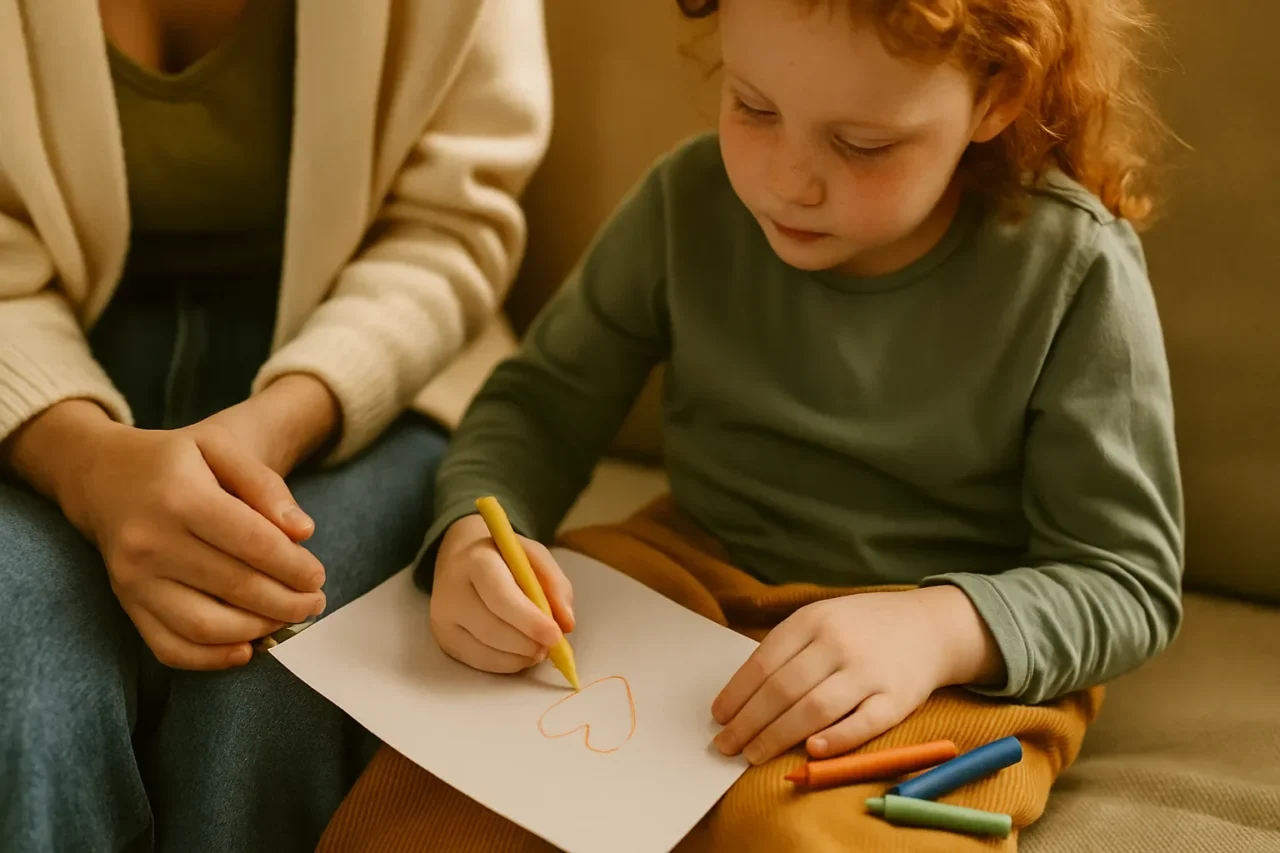
Use stories or drawing. Kids often find it easier to talk through play or pictures than face-to-face questions.
-
Stay neutral. Even if the feeling is big, your calm response tells them: “It’s safe to feel things here.”
Most importantly, your child doesn’t need perfect parenting — just connection. You don’t have to fix everything. Just help them feel seen.
And if you’re unsure where to start? I can help.
👉 [Learn more about counselling for children and families.]